Private home
Feel at home. Even when you are away.
Entry points, visibility, communication and control begin with everyday life at home, not an equipment catalogue.
Tell us about your homeNIKOTECH designs and installs communications and security systems for businesses, municipalities and private homes. We handle the infrastructure, equipment, integration, testing and documentation, from the initial site survey through handover and service.
Start with context
A home, an operating business and public infrastructure are not the same project. Choose your perspective and map the right next step.
Private home
Entry points, visibility, communication and control begin with everyday life at home, not an equipment catalogue.
Tell us about your homeBusiness or active site
People, areas, entry points and processes are considered together before deciding what to add or change.
Map a business siteMunicipal and institutional
Sites, endpoints, infrastructure and operating teams need a conversation that starts with context, not a product.
Discuss a projectOur services
Cameras, networks, access control and public-address systems often need to work together. We plan the infrastructure and integrations in advance and hand over a system that is easier to operate and maintain.
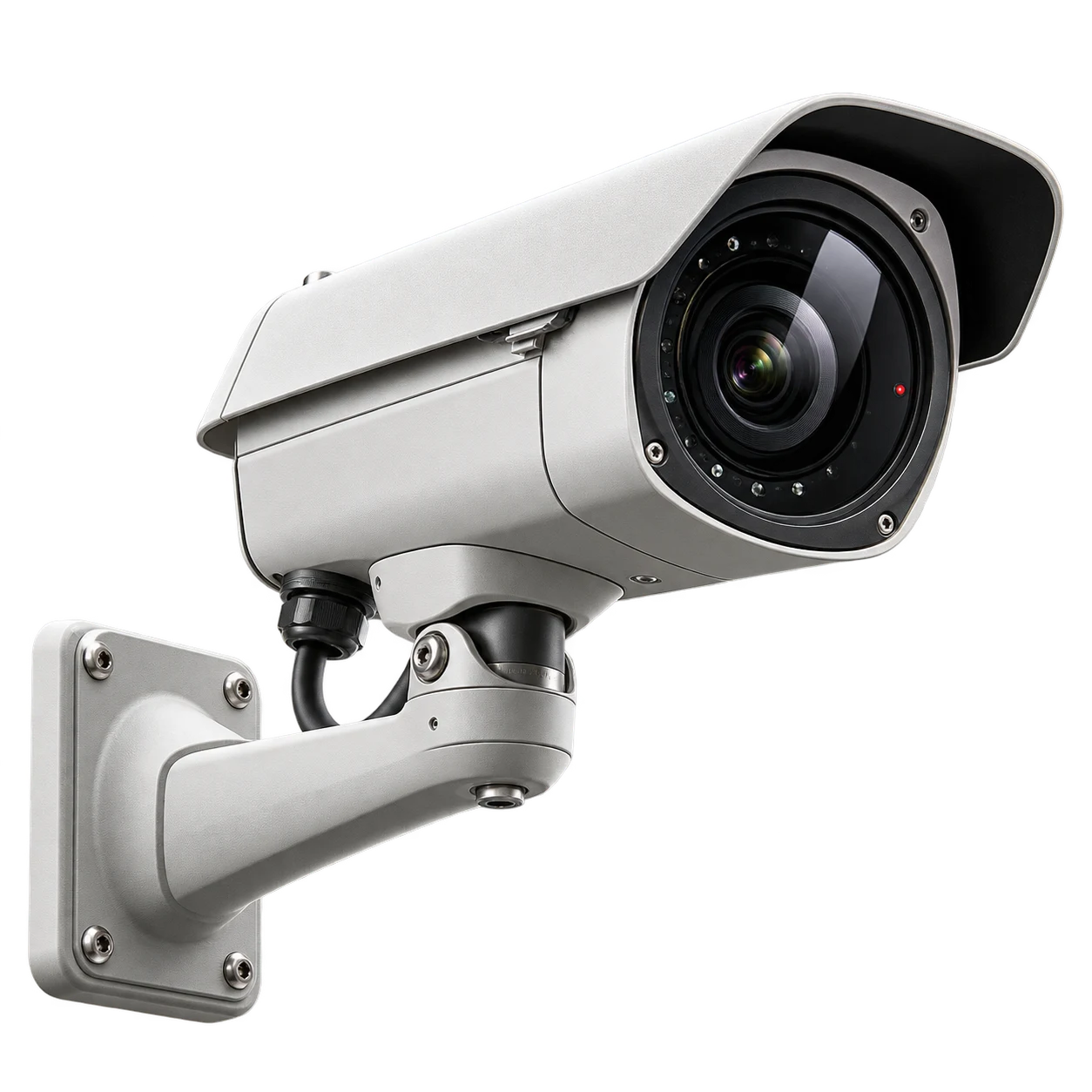
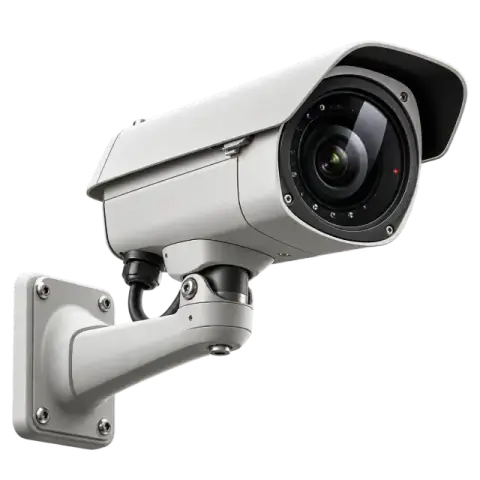
CCTV design based on coverage goals, lighting, recording, permissions and the required response to an event.
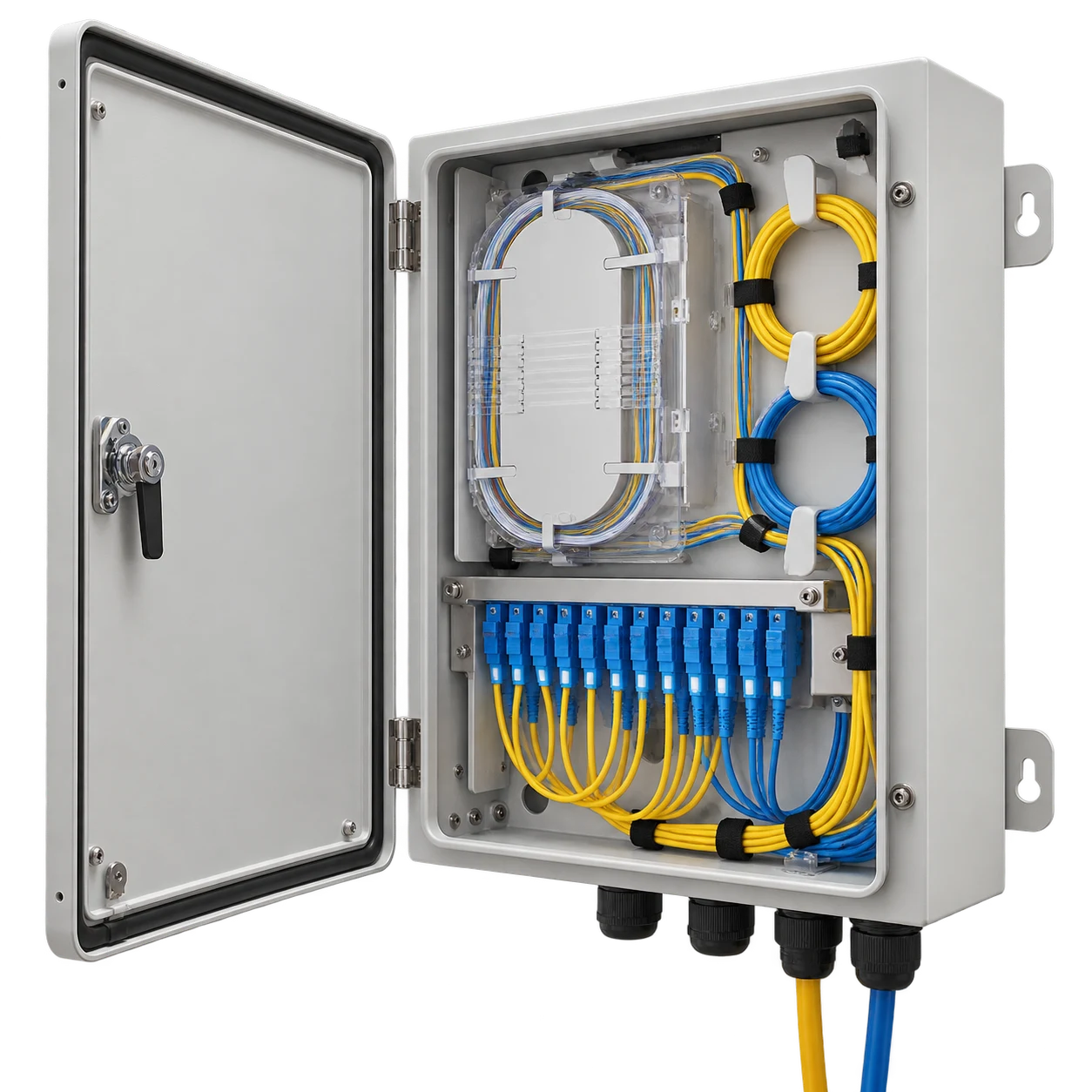
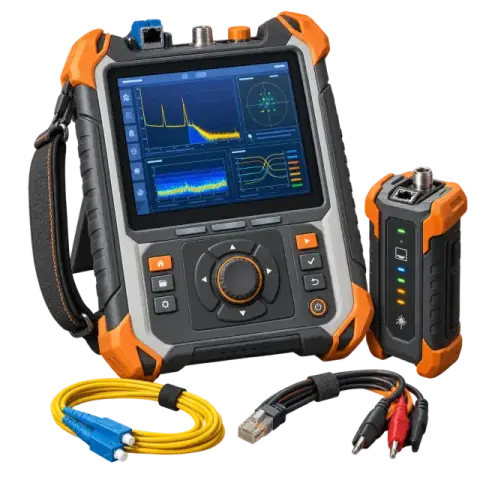
Copper and fibre cabling, communications cabinets, routes, labelling and testing for infrastructure that can be maintained and expanded.
Connecting endpoints, sites, communications infrastructure and control systems to the required municipal operating process.
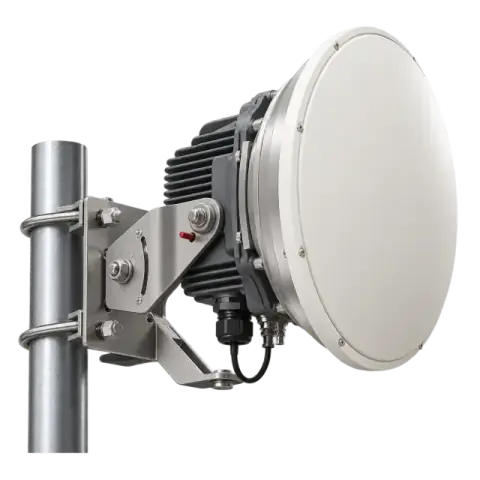
Connecting buildings and remote sites when fibre is unavailable or impractical, after route and capacity checks.
Planning doors, gates, users and permissions as part of the site entry and security policy.
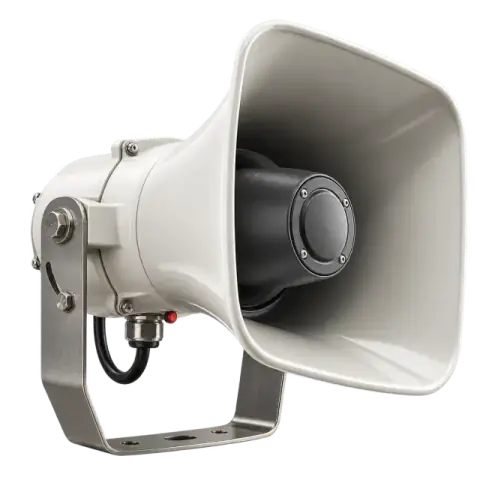
Public-address system design based on zones, environmental conditions, priorities and operating scenarios.
Maintenance, monitoring and support for existing or new systems, with a clearly defined scope, priority and record of work.
How we work
We first review the site and the requirements. We then design, install and test the system. At handover, we provide documentation and guidance and agree how ongoing service will be handled.
Review the existing infrastructure, site conditions, endpoints and operating constraints.
Set the system architecture, routes, coverage, capacity, permissions and integrations.
Install, label, integrate and test the system against the approved scope.
Provide documentation, guidance and test results, and agree the service contact process.
Accountability starts with definition
Before work begins, define what is assessed, who makes decisions, what is handed over and how the work continues when site conditions change.
Define needs, boundaries, constraints and decision points.
Keep communication clear between the site, professional stakeholders and delivery.
Define what is handed over, who to contact and what needs further validation.
Operating environments
Connect sites, video, institutions and control rooms through an expandable city-wide system.
↗Operational continuity, perimeter visibility and resilient links across distributed facilities.
↗A documented security and communications package aligned to programme and handover.
↗From the field
These photographs were taken during real projects and show part of the delivery process: installation, cabling, equipment integration and testing. Every site requires a different design, but orderly infrastructure, physical protection and straightforward maintenance remain constant.
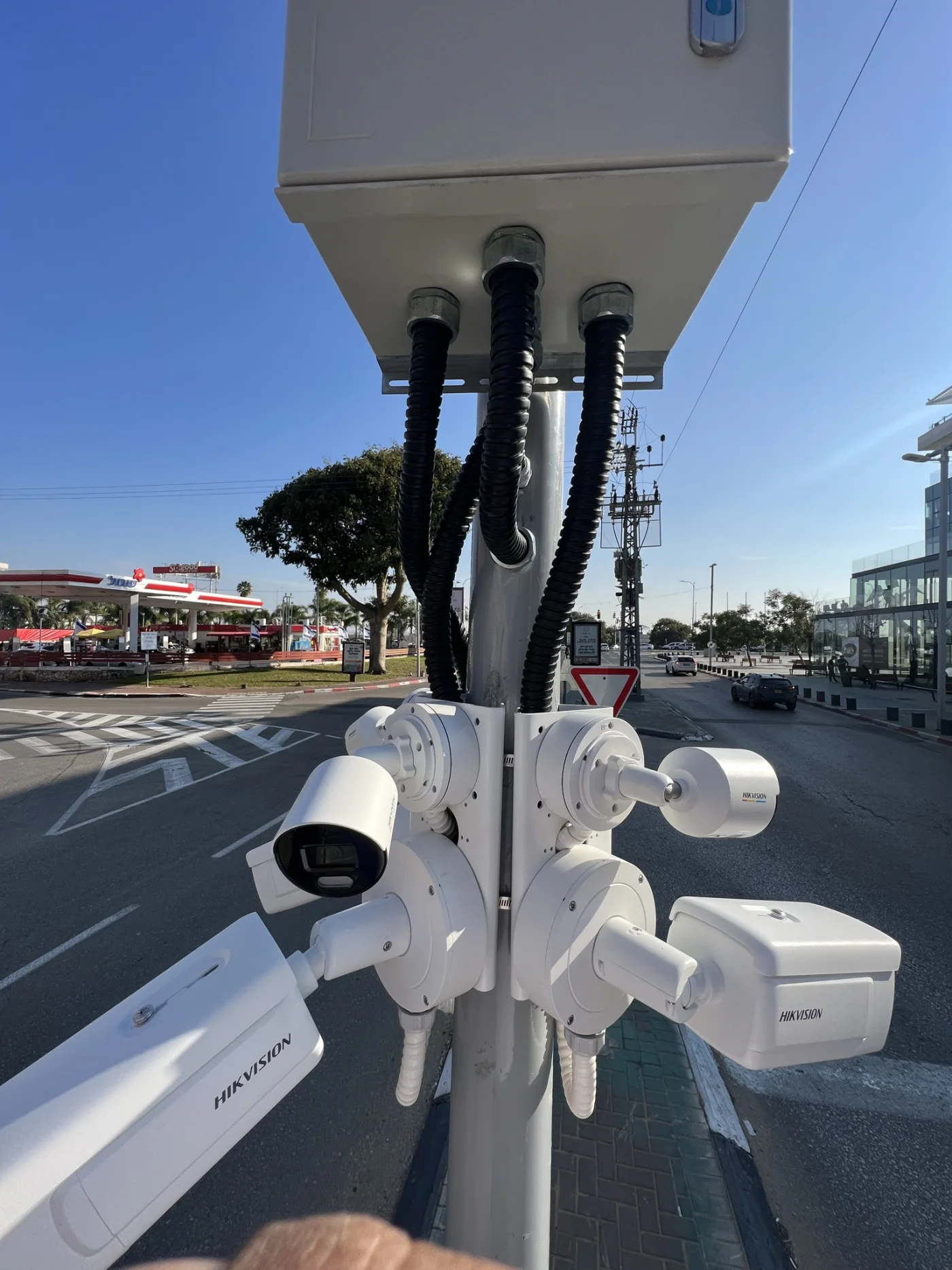
Several viewing angles on one field pole, with protected feeds and connectivity to the control system.
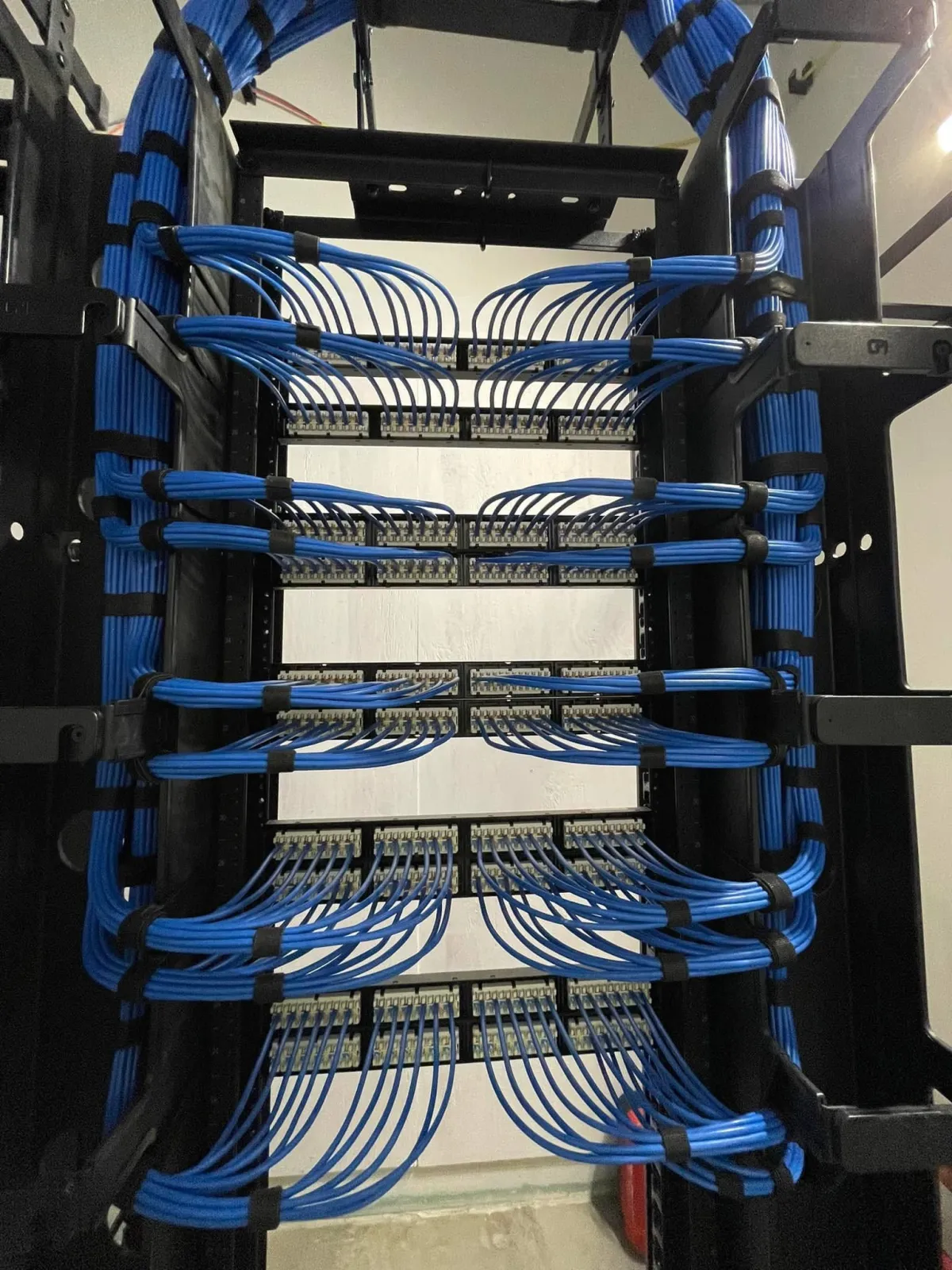
Orderly routing and fastening make faults easier to trace and future changes easier to perform.
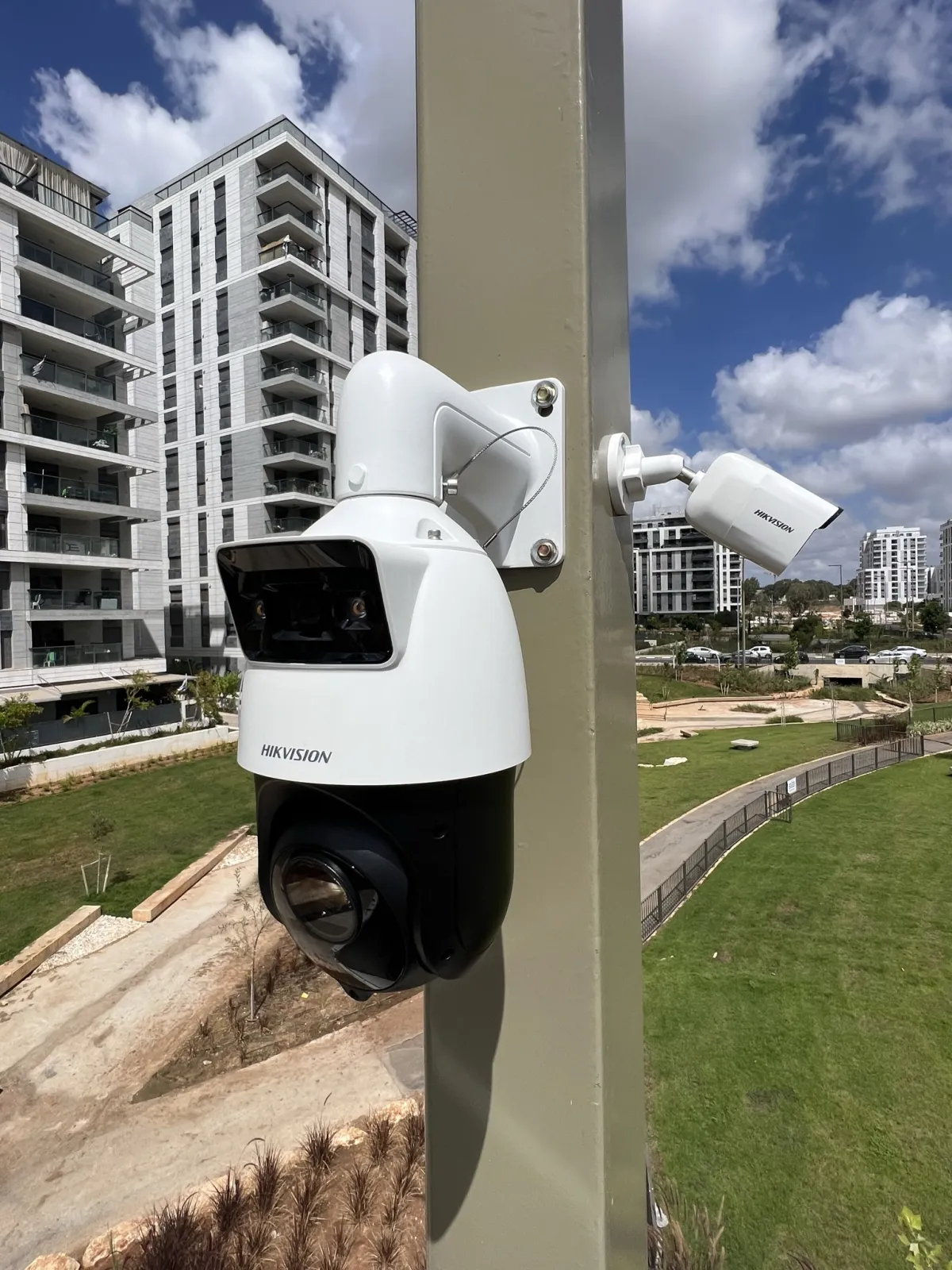
A PTZ camera and a fixed camera share protected infrastructure for wide-area observation and close verification.
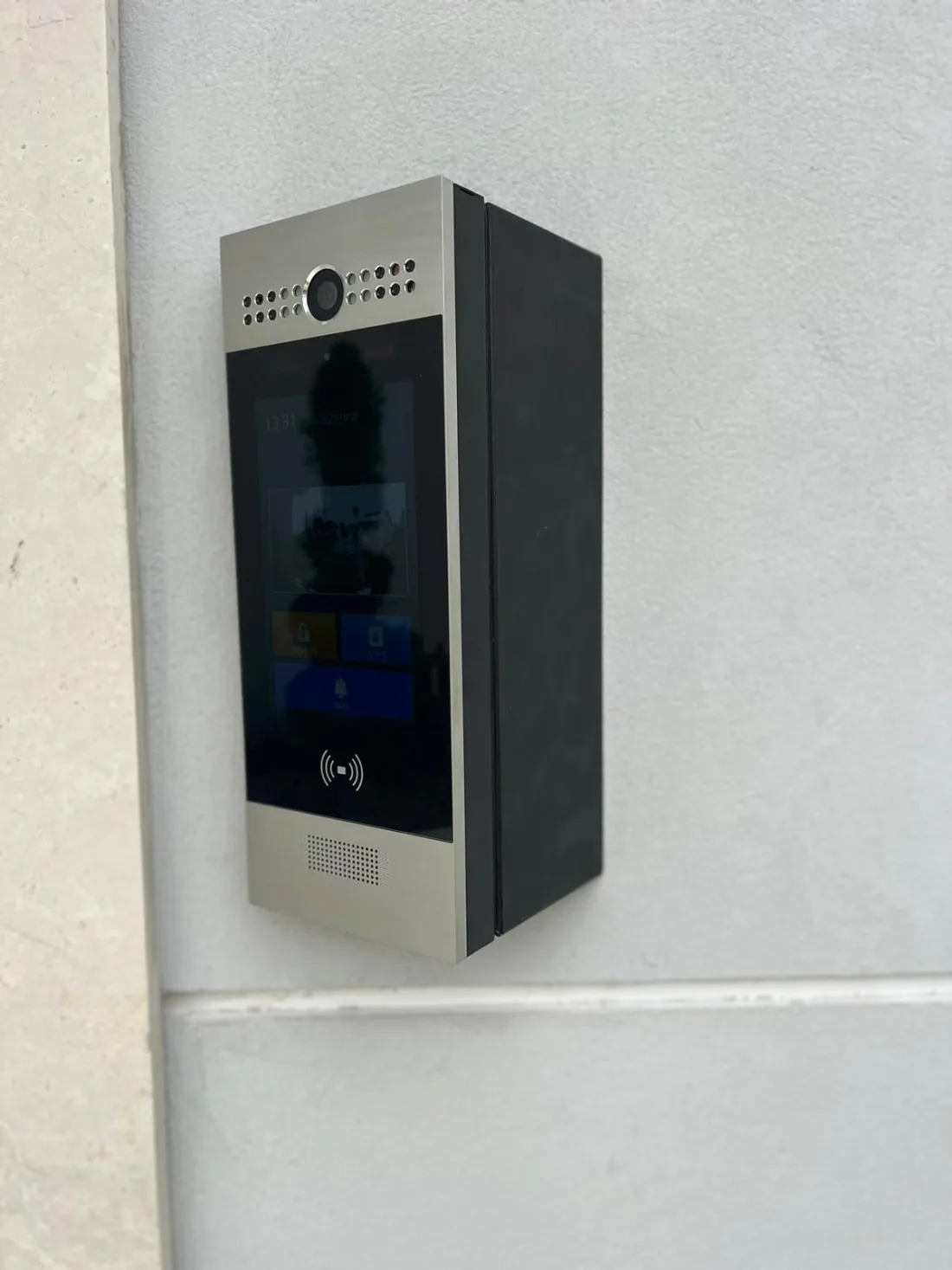
An entrance unit with a camera, screen and proximity reader for visitor identification and controlled access in a clean, modern form.

Cameras, public address and a field cabinet combined at one point as part of a connected municipal system.
Original field photography: NIKOTECH Communications Infrastructure Ltd.
Define before handover
During discovery, agree which tests, records and knowledge transfer are needed so the system remains understandable after installation.
What connects to what, and what depends on what.
What is checked, at which stage and how results are recorded.
What was deployed and what changed from the plan.
Who needs to understand the system and what happens next.
Field experience
NIKOTECH has provided services through communications, security and control-system projects for municipalities, institutions and companies.








From the field, in their words
Customer feedback should explain the site, the change and how the work was delivered.
“Andrey arrived with a professional team. They resolved numerous network faults in the building, replaced old cameras with new advanced units and installed a new recorder, all professionally and at an excellent price.”
After the system comes online
Before work begins, define the contact channel, record-keeping, urgency levels and responsibilities on both sides. The next step should not depend on guesswork.
How an issue is reported and where.
What is urgent and who decides.
What can be assessed remotely and what requires a site visit.
When maintenance, change or expansion is reviewed.
Knowledge centre
Short guides to CCTV, intercom, network infrastructure, wireless links and distributed projects, based on questions that arise on real sites.
Private home
Business and active sites
Municipal, institutional and distributed
CONTACT / START
Leave a few details or send a WhatsApp message. We will return for a short conversation and route your enquiry to the right team member.